BY Igal J. Feibush, Founder and CEO, Pennsylvania Data Center Partners
Across Pennsylvania, state and local government officials are steering their communities through a period of profound challenges. According to a recent Philadelphia Inquirer article, this past year alone, 412 out of the 500 public school districts in the Commonwealth were underfunded to the collective tune of over $6.2B. It’s also a well-known fact that our roadways, bridges, recreation areas and other public facilities, built decades ago, are being pushed to their limits and falling apart. To add insult to injury, pandemic-related federal stimulus funds local governments have come to rely on are now gone, causing municipal coffers to shrivel. Historically, the only solution for budget shortfalls has been residents footing the bill via wave after wave of property tax increases.
However, a new type of public private partnership provides an opportunity for both the public and private sector, to mutually benefit and thrive. The opportunity is unique and very rare. Due in part to the surge of Artificial Intelligence (AI), there is a crucial need for enhanced and robust digital infrastructure, including new data centers. This growing infrastructure gap creates a once-in-a-lifetime moment to align public goals with private capital to deliver lasting benefits for local communities.
Why Data Centers?
Data centers are the unseen engine behind the systems our communities and our nation depend on for public safety communications, transportation networks, water and utility management, hospital records, business operations, and the myriad of educational tools used in classrooms every day. They also support everything from shopping and communication to entertainment, navigation, and countless other everyday tasks we often take for granted.
The question is not whether data centers will be built, but, whether Pennsylvania will lead or fall behind. Just as many in the past grappled with decisions regarding railroads, bridges, highways and other hallmarks of industrial progress, the choices that are made today about data centers will echo for generations.
Regardless of how vital the need for this type of development is, Pennsylvania officials and residents have every right to ask tough, informed questions. Communities have a need and a desire to understand how data center development and their ongoing operations (once built) will affect the land, environment, water resources, electric systems and rates as well as many other issues that govern their overall quality of life. Getting answers to these questions is essential to getting development right.
A Local, Community-Driven Model
At Pennsylvania Data Center Partners, we care about our communities because we also call Pennsylvania home. Most of our team lives here, work here and are raising our families here. When we plan our projects, we consistently engage directly with local leaders and residents.
We are dedicated to safe building standards, environmental stewardship and long-term sustainability. Every community and project is unique, but our commitment to environmentally responsible development is constant.
Each data center we develop reflects years of scientific study, ecological mapping, buffer protections, and advanced stormwater engineering. When done well, these projects protect waterways, preserve habitats, and adapt land for long-term ecological health. Our facilities will not only meet but surpass sustainability standards, complementing their surroundings with native landscaping and green space preservation. Advanced design protects nearby streams and water bodies, while energy-efficient systems minimize impact. When progress is paired with stewardship, communities and the environment thrive together.
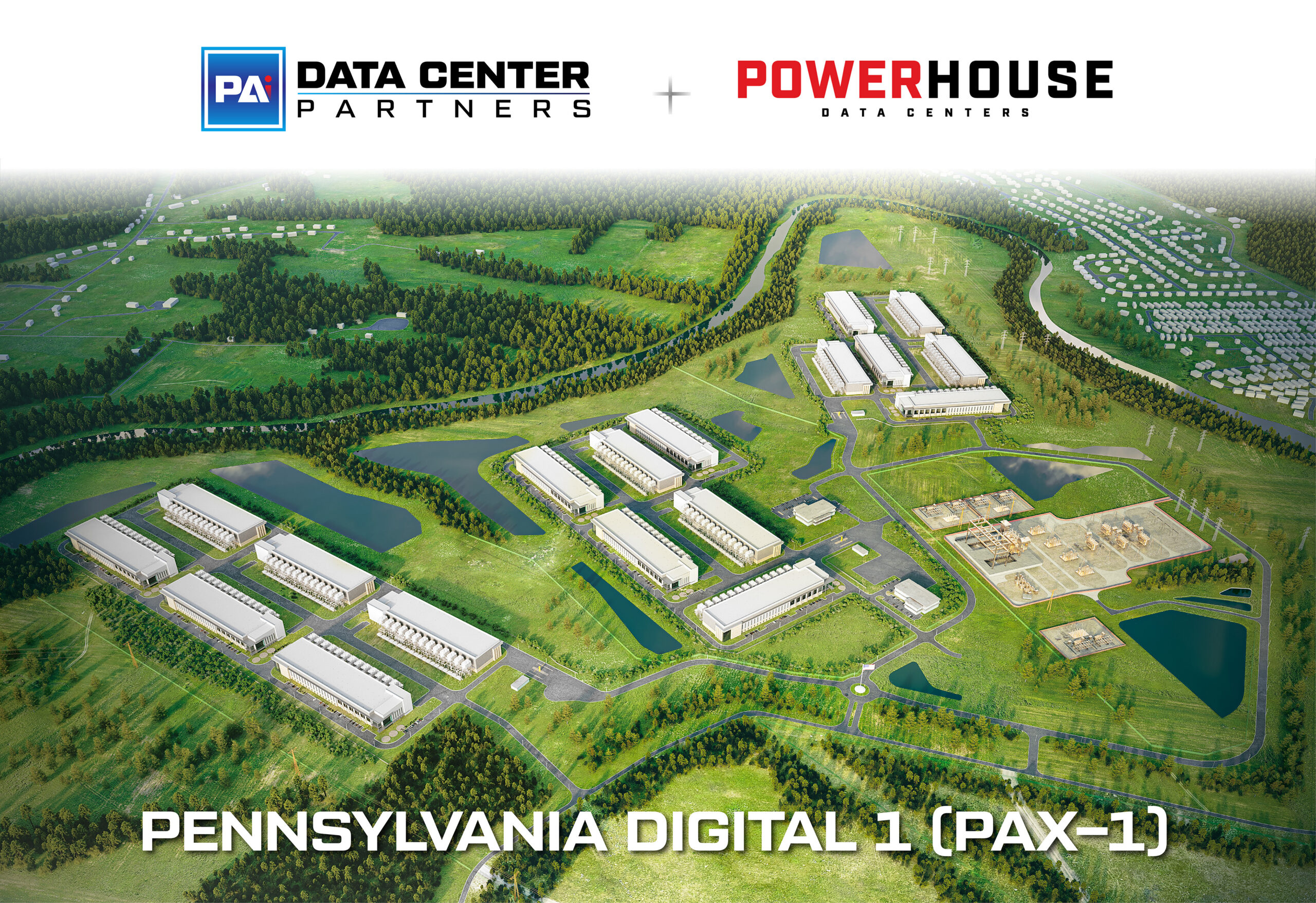
A Real World Example: PAX 1
Our partnership with Middlesex Township and Cumberland County to develop the Pennsylvania Digital 1 (PAX-1) data center project shows what this new type of public private partnership can look like in practice: how data center investment, when done thoughtfully and responsibly, can reinforce the objectives and goals local leaders are already working hard to solve.
PAX 1, when complete, is projected to deliver approximately $45 million of tax revenue annually to the Cumberland Valley School District, along with close to $10 million each year for Middlesex Township and another $10 million for Cumberland County. When broader economic activity is included, the project is expected to generate over $100 million in annual state and local revenue.
For school districts, new, long-term revenue streams like those from PAX-1 enable transformative investments, which include more teachers, better facilities, cutting-edge technology, and stronger STEM programs, all without burdening families with higher taxes. The foundation of every community begins with its kids. This reliable funding provides for better educational resources, thereby elevating the entire community.
Data centers also drive sustained workforce development for adults by creating demand for skilled trades, engineers, and tech professionals. This directly strengthens Pennsylvania’s STEM and skilled trades pipeline, ensuring local talent will power the state’s future.
Strengthening Infrastructure Without Raising Taxes
For municipalities fighting to modernize aging systems, data centers bring another benefit: infrastructure funding.
Our partnership with Middlesex Township and Cumberland County and the development of PAX-1 will provide for major public infrastructure upgrades, at no cost to taxpayers. These infrastructure upgrades will include:
- Public water system upgrades, expanded storage, and stronger pumping capacity
- Modern stormwater management designed to improve downstream water quality
- Road resurfacing, widening, and safety enhancements
- Significant power grid improvements that benefit entire regions
Large-load customers like data centers also help balance energy planning and contribute heavily to long-term grid upgrades. Utilities such as PPL have stated that adding data centers can lower the transmission portion of residential bills because these facilities pay such a significant share of systemwide improvements.
In short, data centers shoulder infrastructure costs so residents don’t have to.
Moving Forward, Together
Pennsylvania’s municipalities and state leaders are at a pivotal moment. Communities that plan proactively by setting clear expectations, asking informed questions, and partnering early can capture the economic and infrastructure benefits that responsible digital development can bring.
People should not feel they are being forced to make a choice between growth and community. With thoughtful, inclusive leadership, we can achieve both and ensure that the expansion of this industry reflects the vision and priorities of the people of Pennsylvania.
This Commonwealth has never shied away from big shifts. By approaching digital infrastructure with care, collaboration, and vision, Pennsylvania can lead – and thereby ensure that our communities remain strong, competitive and connected for decades to come.
Article from the February 2026 Municipal Reporter | Pennsylvania Data Centers Edition