BY Kevin Dippolito, PA-CO, PA-CEM, IAAI-CFI, Fire Chief/Fire Marshal/Emergency Management Director, Bristol Township
Introduction
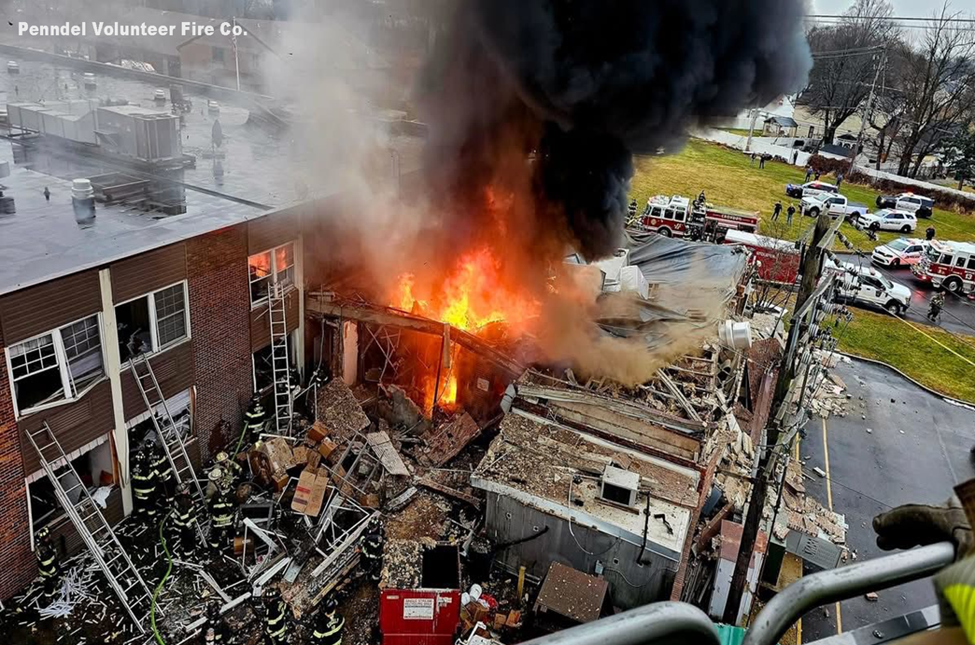
On December 23, 2025, a natural gas–fueled explosion occurred with about 180 people inside a nursing and rehabilitation center in Bristol Township, PA. The explosion caused a partial building collapse, fire, entrapment, and mass casualty incident. The explosion and collapse caused approximately 40 injuries, 3 fatalities, and quickly overwhelmed local resources. The response from emergency services over the next 6 ½ hours would involve over 250 emergency responders from 4 counties, tested the hospital’s emergency room surge capacity, converted the hospital lobby into an emergency shelter for approximately 130 residents and staff, and drew media coverage from across the U.S. and abroad.
Details
On December 23, 2025, at approximately 11:15 a.m., the maintenance director at the Bristol Health and Rehabilitation Center, a 174 bed nursing home in Bristol Township, reported a natural gas odor in the basement boiler room and first-floor hallway to the gas utility company. Shortly before noon a gas company representative arrived on scene.
At about 2:15 p.m. a natural gas–fueled explosion occurred with about 180 people in the building, causing a partial building collapse, entrapment, fire, and mass casualty incident. Among the people in the building at the time of the explosion were residents, staff, visitors, and subcontractors.
Emergency Medical Services (EMS) personnel whose station is directly across from the nursing home, exited their station after the blast shook their building. As EMS exited their building, they encountered a cloud of smoke coming from the partially collapsed building and several injured people exiting the building. EMS immediately radioed in the explosion to the county 9-1-1 center triggering the dispatch of Fire, Police and additional EMS units for an explosion and mass casualty incident. Within minutes there were wounded people on three sides of the building being brought out at an urgent pace by fire and police personnel.
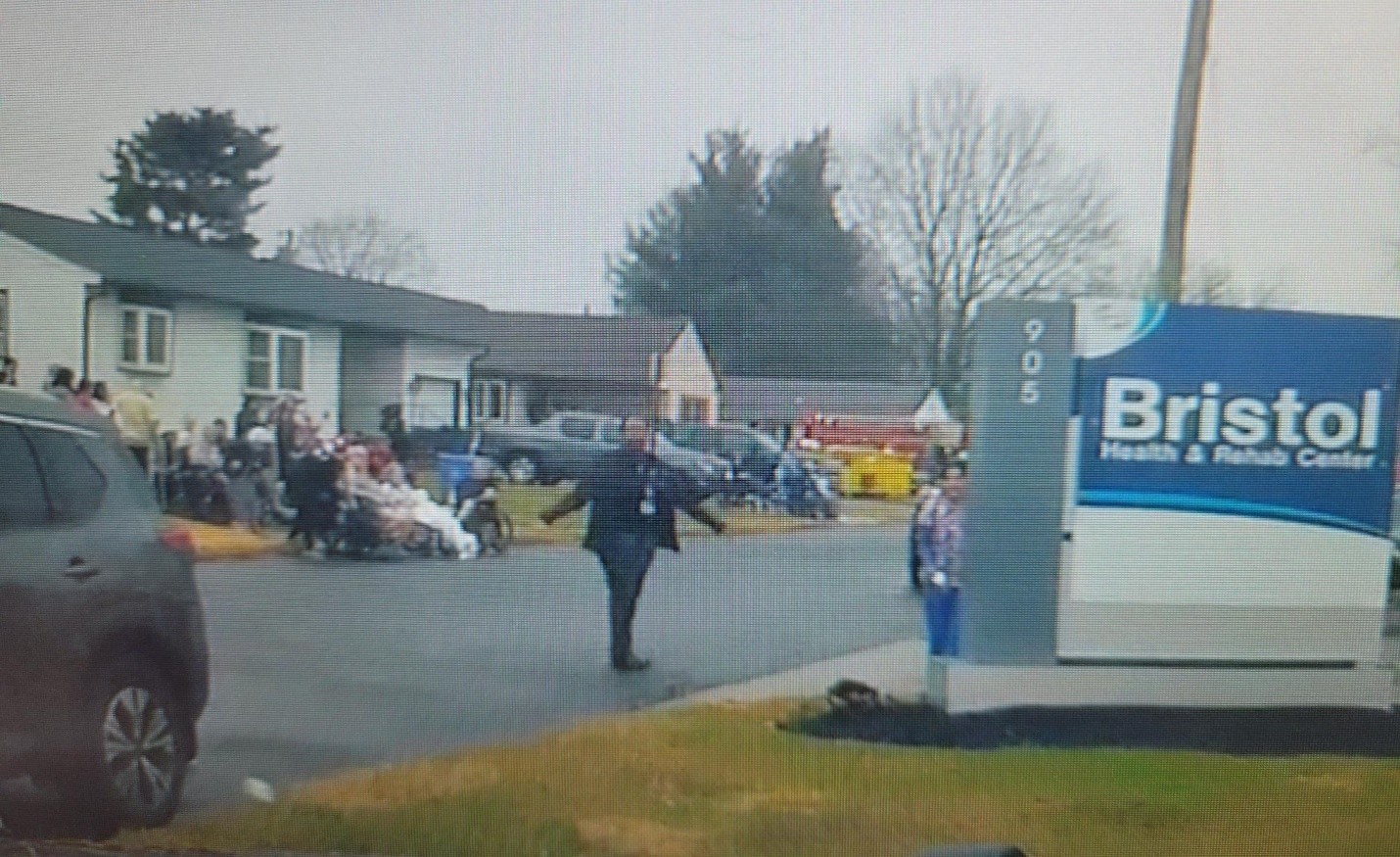
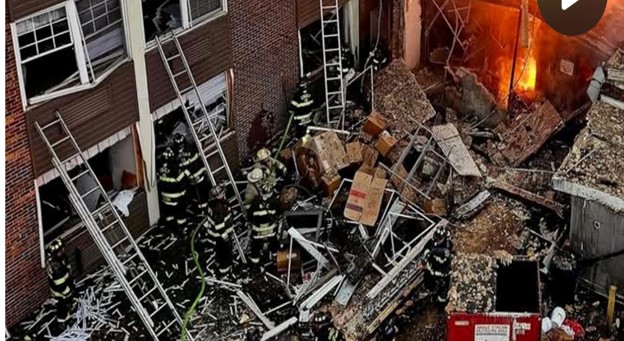
When the Fire Department arrived, they encountered a partially collapsed and unstable building, a strong odor of natural gas outside, and several injured people lying on the ground or walking amid broken glass in close proximity to the building. There were also several wheelchair-bound residents in the street and parking lot brought out by staff prior to Fire Dept. arrival. Residents who were bedridden, had mobility limitations, or were trapped in the collapse area were awaiting rescue and calling out for help. Smoke was rising from a fire burning under the collapsed portion of the structure, and an injured gas company employee asked the first arriving fire chief to summon more help from his company.
Law Enforcement arrived to find an unsecure scene and an immediate need to assist getting the injured, bedridden, or otherwise non-ambulatory residents and staff out of the building and into the care of EMS. A request for assistance from neighboring police departments was made, some of which had already started to respond upon hearing the initial radio reports. Simultaneously, there was a need for traffic and crowd control.
Emergency Management personnel also responded immediately upon dispatch. Once on scene and seeing the magnitude of the incident, the Township Manager was contacted for issuance of a disaster declaration as the need for heavy equipment from community partners was inevitable. Emergency Management personnel then began making arrangements for the temporary sheltering of uninjured residents and employees. An additional Emergency Management staff member was assigned to the command post to serve as a scribe and provide logistics support, obtaining resources such as heavy machinery, utility pumps, and highway barricades.
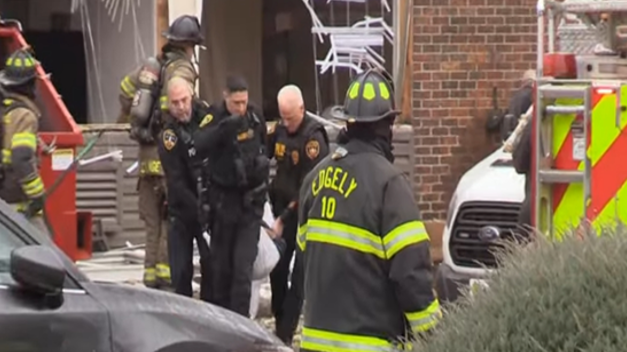
While the initial first responders were inside the building working to remove non-ambulatory residents, and rescue victims trapped under debris and out of an elevator, the incident was expanding well beyond local resources and the scene itself. The fire incident commander had a 2nd and 3rd alarm transmitted along with (3) Technical Rescue Teams, EMS had requested the highest level of mass casualty response available, and mutual aid police departments were on scene or on the way to assist.
News of the incident spread quickly, and family members began arriving on scene and at the nearby hospital seeking information about family members. Media outlets arrived early into the incident and began reporting in real time.
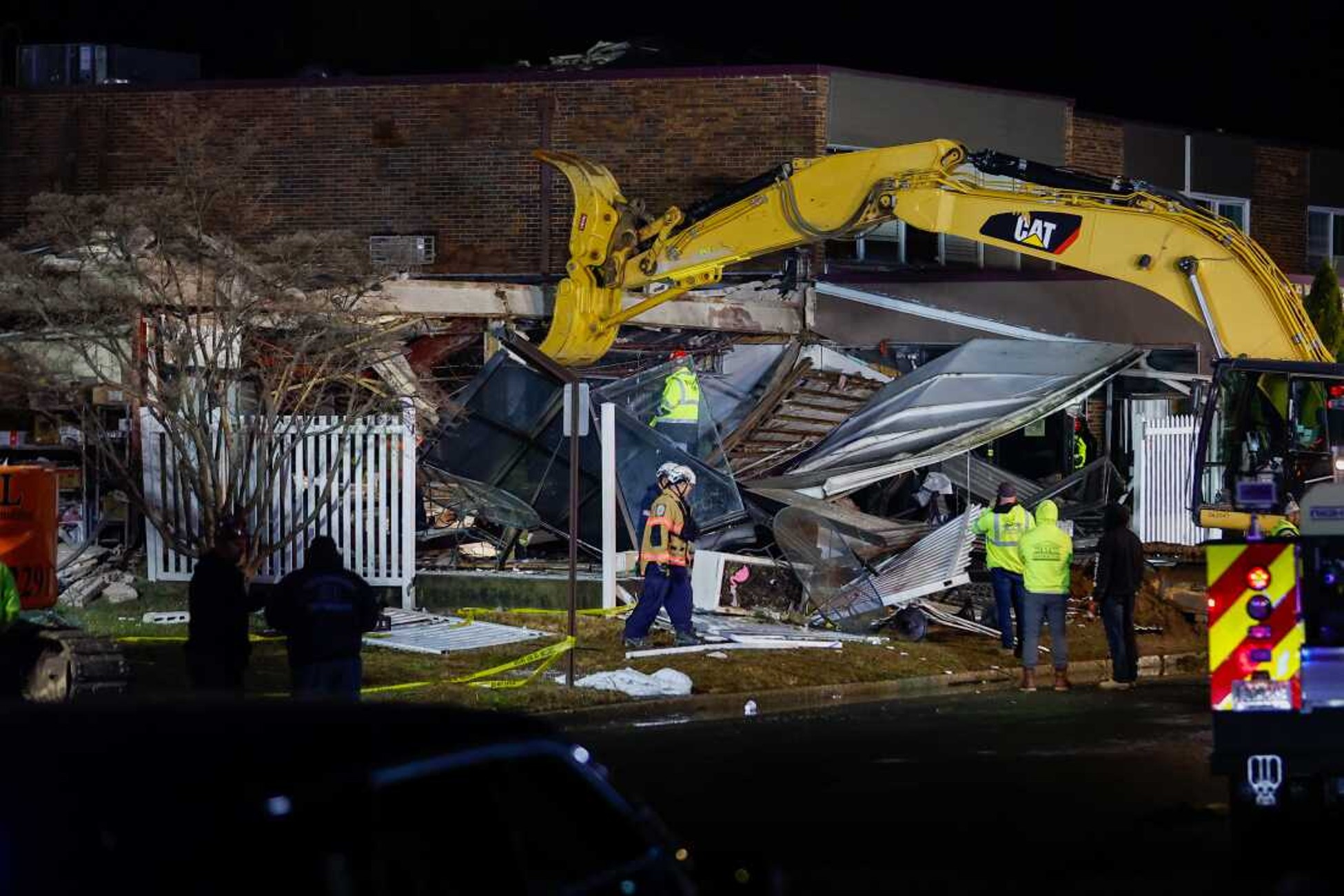
With approximately 180 residents, staff, visitors, and contractors present at the time of the explosion, determining who had been evacuated and who remained inside the building was difficult. This uncertainty added risk to emergency responders by keeping them in the gas filled building for an extended period as they continued to search for victims.
Injured residents and staff were brought out of the building and turned over to EMS for treatment and transported to one of multiple hospitals, while the uninjured were relocated to the lobby of the hospital which was located next door to the nursing home.
Sheltering residents who were not injured presented additional challenges because many of the residents required ongoing medical care, and medication management. Township Emergency Management brought together the necessary responsible parties to find permanent facilities to transfer the uninjured residents to, while keeping track of each resident for purposes of family reunification.
Conclusion & Takeaways
This incident illustrated how quickly a local emergency can evolve into a complex, multi-jurisdictional and multi-day event. Even after the rescue and recovery operations concluded, and the fire was extinguished, the incident continued to demand municipal resources. Some of the key takeaways from this event include:
Facility Emergency Actions Plans
- Recommend similar facilities to establish emergency shelter agreements that can accommodate all residents.
- Ensure similar facilities have transportation agreements in place for non-emergency evacuations.
- Recommend the Emergency Action Plan of similar facilities include plans for continuity-of-care within an emergency shelter.
- Recommend similar facilities use an accountability system that tracks patients, staff and visitors, and that the system is accessible from outside the facility by several employees.
Incident Command
- A Unified Command and adherence to Incident Command System principles at mass casualty incidents is crucial to maintaining control of what may be a rapidly expanding incident.
- Early establishment of divisions and group supervisors is imperative to meet operational objectives.
- Assigning a scribe to the command post to log radio communications and face-to-face communications that take place at the command post proved beneficial.
Public Information Officer / Press Briefings
- Assign an experienced PIO early in the incident.
- Schedule a time and location for a press conference and alert local media outlets.
- Emails and phone calls from media outlets seeking information will begin early into the incident and continue for days seeking updates.
Radio Communications
- Each division of emergency services will likely utilize more than 1 radio channel.
- If mutual aid from outside your radio system responds, assign a representative from that agency to the command post to facilitate communications.
Staging Areas and Traffic Control Personnel
- Staging areas for EMS units and fire apparatus is imperative.
- Traffic control personnel are instrumental in coordinating the flow of ambulances to triage and subsequent departure to hospitals, as well as getting the fire apparatus in position to meet operational objectives.
- Traffic control personnel must be made aware of where to direct arriving family members and media.
Extended Operations
- The origin and cause investigation for this incident warranted site security by law enforcement and then private security for 12 days.
- A brick and mortar “base camp” was needed to support the investigation.
Agencies Involved
- Numerous governing authorities will be on site. In our case, it was; the Occupational Safety & Health Administration (OSHA), the PA Dept. of Labor & Industry, the National Transportation Safety Board (NTSB), and the Bureau of Alcohol, Tabacco and Firearms (ATF – by request).
- Depositions from key emergency responders may be required as part of the investigation.
Emergency Management
- Emergency Management support, coupled with a robust emergency resources list, proved to be beneficial.
- Assigning a member of Emergency Management to the command post to provide logistics support for special equipment needs was invaluable.
Mental Health
- Consider critical incident stress management and peer support resources for emergency responders as part of post-incident operations.
Legal action and FOIA/RTK requests
- Lawsuits will be filed shortly after an incident such as this.
- Many FOIA/RTK requests will be received following this type of incident.
References:
National Transportation Safety Board preliminary report, dated 1/23/26.
Article from the June 2026 Municipal Reporter | Extreme Events