Submitted by Kenn bennett, Communications Coordinator, Lancaster Clean Water Partners
Lancaster County Municipalities Are Handling More Extreme Weather
A summer thunderstorm that once dropped an inch of rain over several hours can now unleash multiple inches in a matter of minutes. Across Pennsylvania, municipalities are discovering that stormwater systems built decades ago are increasingly unable to handle today’s more intense weather patterns.
In Lancaster County, the consequences often reflect that as well: flooded roads, damaged properties, eroded streambanks, polluted waterways, and sewer systems pushed to their limits.
Yet Lancaster County has emerged as a leader in developing solutions that address both flooding and water quality. Through innovative partnerships, municipal planning, and community engagement, local governments and conservation organizations are creating a blueprint for how communities can adapt to a future that includes more extreme weather.
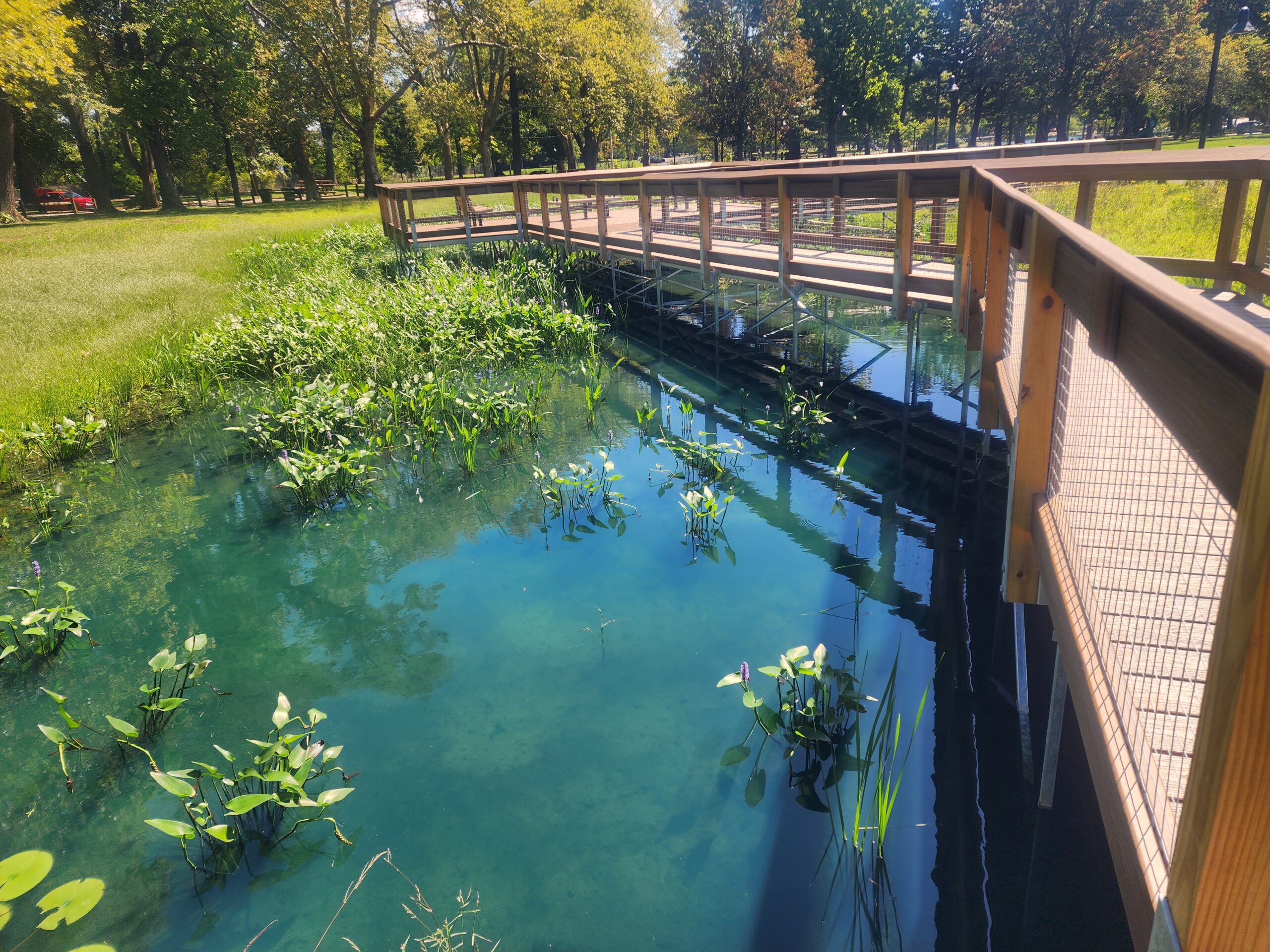
Photo Credit: Lancaster Clean Water Partners
Conservation Can Be A Solution to Stormwater Issues
Recent storms have demonstrated just how vulnerable communities can be. In 2025, portions of Lancaster County received more than six inches of rain during individual storm events. These storms tested both traditional infrastructure and newer green infrastructure projects designed to slow and absorb runoff before it reaches streams.
Local, award-winning projects like the Blue Green Connector and the Long’s Park wetlands project are actively implementing best management practices (BMP’s) to control and contain stormwater runoff through natural and engineered techniques.
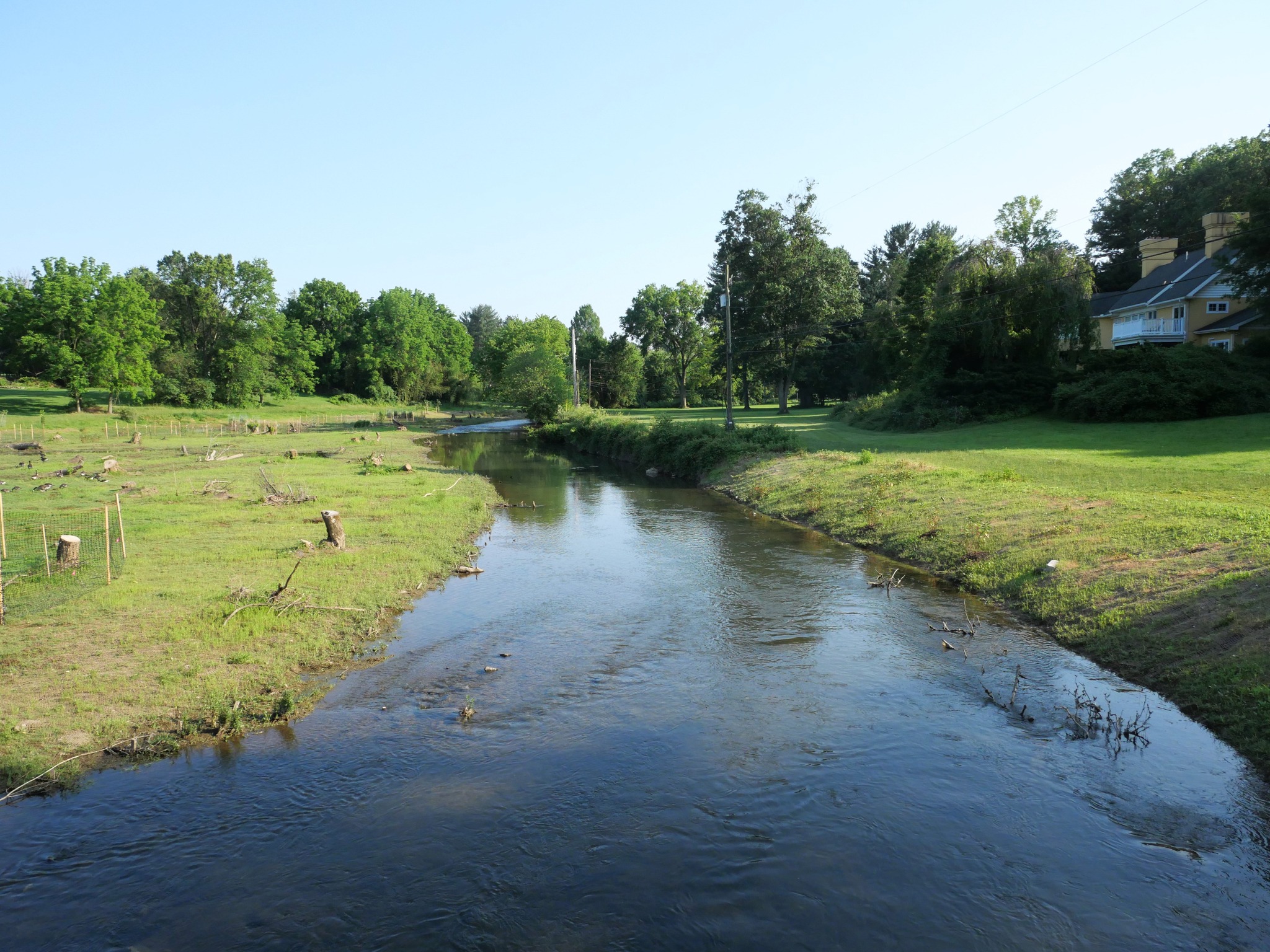
The newly restored Blue Green Connector wetlands along the Little Conestoga Creek help manage nearly 2 million gallons of water every day. By restoring 25 acres of floodplain and removing thousands of cubic yards of legacy sediment, the project reconnects the creek to its natural floodplain, increasing its ability to absorb, store, and filter stormwater. It includes aspects of public access and public art as well, welcoming the community in diverse ways.
The Long’s Park wetlands capture stormwater from the park, nearby roads, and Long’s Pond, slowing the flow and allowing sediment and pollutants to settle out. Floating wetland islands and plant roots then naturally filter the water, removing excess nutrients and improving water quality before it continues downstream. The system proved its worth during severe storms last July.
“During the storms earlier this month, the system worked exactly as it was designed.” Water Resources Engineer, Angie Brackbill said in a 2025 interview, “It handled the rainfall and the runoff from Route 30 and avoided the local flooding the area would have seen in years past.” This project was awarded the top honor as the Best Urban BMP in the Bay (BUBBA) by the Chesapeake Stormwater Network in 2025.
How these projects, and others, fared in the July 2025 storms was documented in the blog “Weathering the Storms”, https://lancastercleanwaterpartners.com/weathering-the-storms/
A Neighborhood Scale Approach
One of the most promising examples of local adaptation is taking place in West Lampeter Township’s Heatherfield neighborhood.
Through a partnership involving Lancaster Clean Water Partners, West Lampeter Township, engineering firm RK&K, Lancaster Conservancy, and numerous community stakeholders, a comprehensive stormwater master plan was developed to address chronic flooding, aging infrastructure, and water quality concerns.
The project demonstrates that effective stormwater management requires more than engineering, it also requires listening to residents. More than 250 households received information about the planning process, and 123 homeowners completed surveys documenting flooding concerns and stormwater issues on their properties. Residents identified flooding hotspots, shared historical information, and helped engineers better understand how water moves through the neighborhood during storms.
The result is a community-informed plan that not only identifies infrastructure improvements but also creates a model that can be replicated in other residential neighborhoods throughout Lancaster County. Future implementation projects in West Lampeter Township include replacing aging pipes while adding green infrastructure designed to capture and infiltrate runoff.
Lessons learned from the Heatherfield project were clear: much of Lancaster County’s stormwater infrastructure is nearing the end of its useful life. Many neighborhoods were built decades ago, and homeowners often do not realize they may share responsibility for maintaining stormwater easements, pipes, swales, and drainage structures located on private property.
To address this issue, project leads developed legal guidance documents, homeowner education materials explaining stormwater responsibilities and maintenance needs, a storymap that displays the designs, and more. These resources are now being adapted for use by other municipalities countywide.
Why Act 167 Matters
As communities grapple with these challenges, Pennsylvania’s Stormwater Management Act, commonly known as Act 167, has become increasingly important. Act 167 requires counties to develop watershed-based stormwater management plans and requires municipalities to adopt ordinances that implement those plans. The law was created to reduce the damaging impacts of accelerated stormwater runoff while addressing water quality, water quantity, and groundwater recharge.
Lancaster County recently completed its Act 167 Phase I planning effort with participation from 54 of the county’s 60 municipalities. Phase 1 establishes a strategic framework for updating the county’s watershed-based stormwater management plan. This effort builds upon the 2013 Blueprints plan and aligns with the county’s comprehensive planning initiative, places2040, which emphasizes stewardship of existing resources. The Phase I study also supports the goals of the Countywide Action Plan (CAP), a key component of Pennsylvania’s Phase 3 Watershed Implementation Plan (WIP) to improve water quality in the Chesapeake Bay and its tributaries.
The strong response from local municipalities reflects growing recognition that stormwater problems cannot be solved by individual municipalities acting alone. Water flows across municipal boundaries, and effective solutions must do the same. County leaders are now advancing Phase II planning and implementation efforts, well positioning Lancaster for next steps.
MS4 Permits and Regulatory Uncertainty
Municipalities also face requirements under Municipal Separate Storm Sewer System permits, commonly known as MS4 permits. These permits require communities to reduce pollution entering waterways through stormwater systems and implement programs focused on public education, illicit discharge detection, construction site controls, and long-term stormwater management. Pennsylvania’s DEP issued a draft MS4 permit on January 18, 2025 and has administratively extended the current permit. Language about the new permit includes: In recognition of the increase in runoff as a result of climate change, the DEP will focus the MS4 permit on the management of runoff volume to reduce flooding. This new volume-focused approach aims to manage stormwater from 88% of the impervious area in the municipality over the next 50 years.
Despite the uncertainty of future MS4 requirements, Lancaster County’s municipalities continue investing in projects because the need extends beyond regulatory compliance. Flooding, infrastructure failures, and water quality degradation affect residents regardless of permit requirements. There are a myriad of examples of local municipalities stepping up and orchestrating projects that help to mitigate floodwaters.
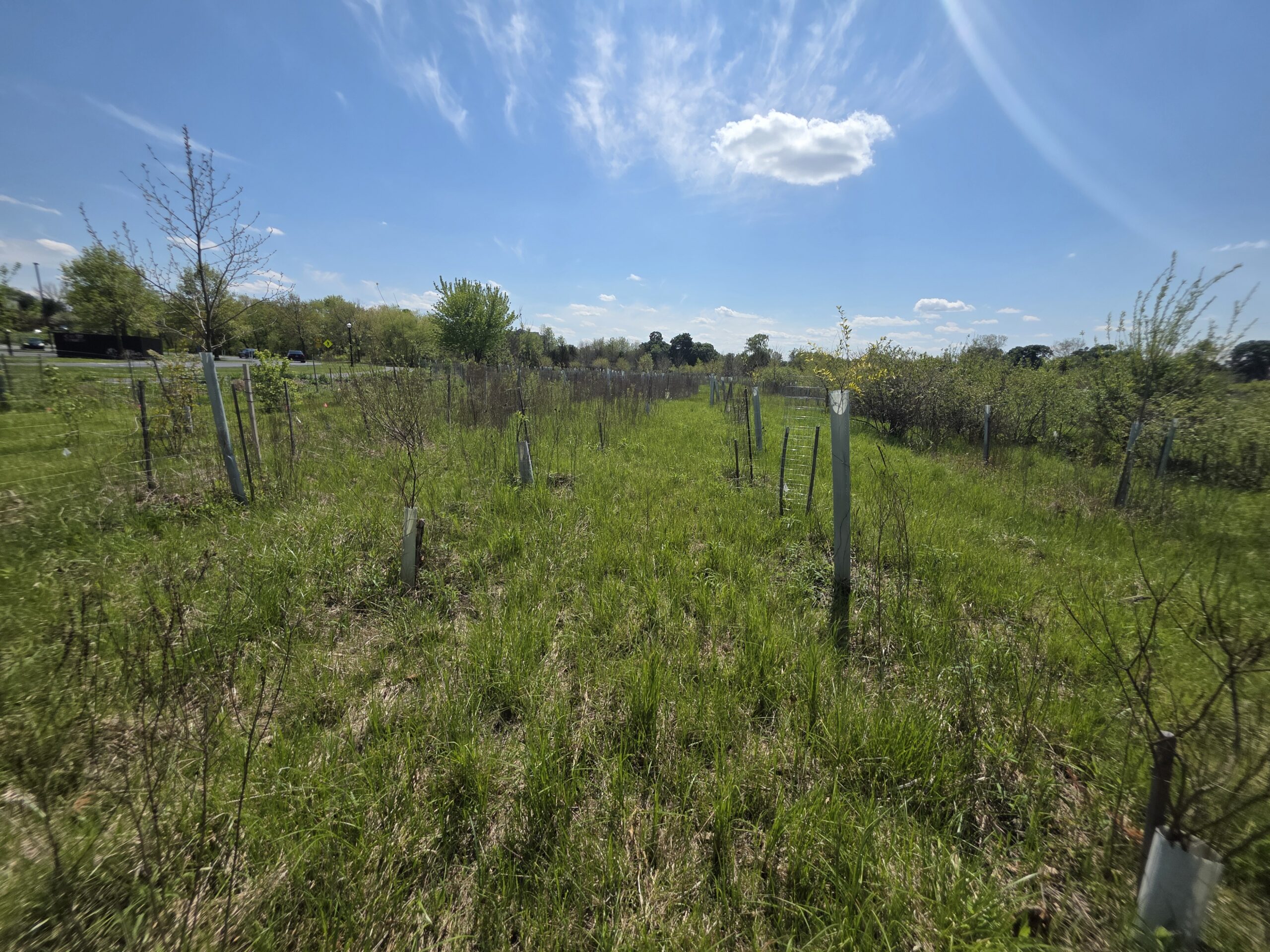
At Overlook Park, native plantings spread across multiple acres help protect local waterways from pollution while improving the park’s natural ecology. The effort was made possible through collaboration with local partners, including the Stroud Water Research Center and Manheim Township.
Located in Warwick Township, the project along Lititz Run at Ballstown Road will restore approximately 1700 feet of the Lititz Run floodplain. As part of its restoration efforts, the township will remove legacy sediment and realign the stream channel. The township estimates the restoration project will reduce up to 225,000 lbs of sediment per year and restore approximately five acres of wetlands. (SRBC.gov)
In the Rock Lititz campus, a 17-acre floodplain restoration along the Santo Domingo Creek helped repair decades of environmental damage. The privately funded project removed legacy sediment, stabilized streambanks, and planted native vegetation to improve water quality, reduce flooding, and increase groundwater recharge.
A Mount Joy Borough stream restoration project is improving a 24-acre section of Little Chiques Creek to reduce flooding, stabilize eroding streambanks, and improve water quality. Through a phased approach, the project uses native plantings and floodplain benches to capture sediment and pollutants before they reach downstream waterways.
The Mount Joy Borough project was funded by several grants, which allowed the work to be done for no cost to the residents, who have been appreciative of the Borough’s efforts.
“Numerous residents have come up to us and have been very pleased with the work we are doing here,” said Mount Joy Borough Manager, Mark Pugliese.
The annual MS4orum and municipal training programs have become important venues for sharing best practices and helping local officials navigate changing regulations. In 2025 alone, more than 160 municipal staff, engineers, public works professionals, and elected officials participated in stormwater training events.
The annual MS4orum brings together municipal staff, public works professionals, conservation leaders, and engineers to share practical tools and knowledge for meeting MS4 requirements and improving local water quality. The 2026 event is scheduled for October 5th. Look for more details coming soon!
Of the event, a representative from Penn Township said, “Loved the speakers you had this year. Just the perfect amount of “hey listen to the science + this is what’s happening in real life/common sense.”
A Vision Beyond Compliance
Perhaps the most encouraging aspect of Lancaster County’s stormwater work is that it extends beyond regulatory requirements.
The county’s stream delisting strategy aims to remove twenty streams from Pennsylvania’s impaired waters list by 2040. The West Lampeter Township project represents one piece of that larger effort, using residential stormwater management that connects to preserved areas and agriculture to improve stream health, all while creating more resilient communities.
The work has already generated significant momentum. Municipalities across Lancaster County are adapting lessons learned from Heatherfield to address similar challenges in their own neighborhoods. Partner organizations are securing new funding i for green infrastructure, stream restoration, and stormwater retrofits. Community organizations are training landscapers, educating students, and engaging homeowners in stewardship efforts.
Extreme weather is likely to remain a defining challenge in the coming decades. But Lancaster County’s experience demonstrates that communities can do more than simply react to storms. Through thoughtful planning, collaboration, and investment, they can build systems that are stronger, more resilient, and better prepared for whatever comes next.
Article from the June 2026 Municipal Reporter | Tourism