BY Jill Sellers, President & CEO, Main Street Gettysburg
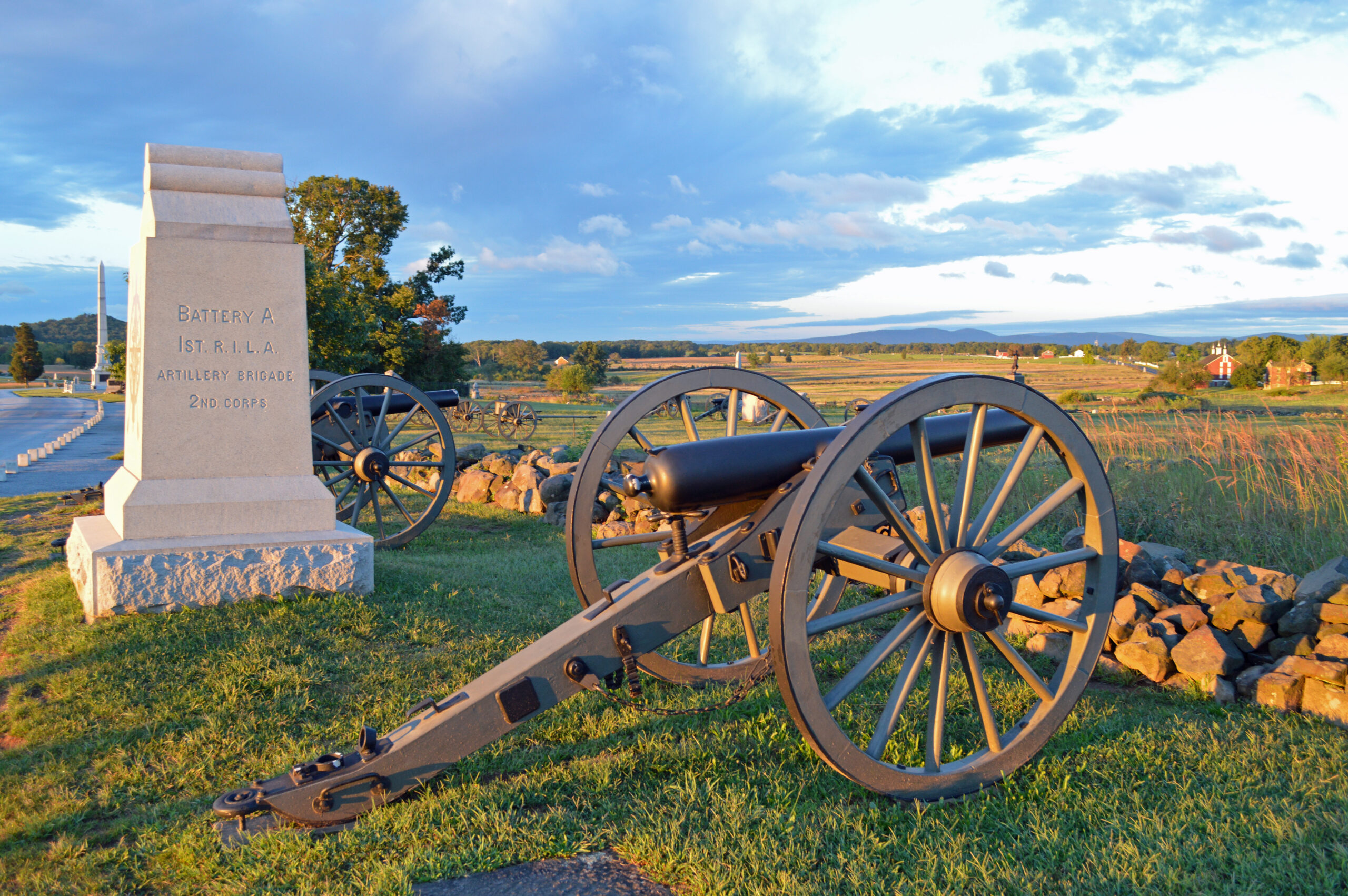
Few towns in the world are as closely tied to a single moment in history as Gettysburg. For more than 160 years, visitors have traveled here to stand on the fields where the Battle of Gettysburg helped change the course of the Civil War.
For generations, Gettysburg’s tourism identity was straightforward: a place to understand the Civil War and the pivotal battle fought here in July 1863. Over time, however, that identity has expanded into a diverse visitor economy that includes heritage travel, paranormal tourism, events, culinary experiences, and family recreation. The town’s ability to adapt while protecting its historic character offers a compelling example of how tourism identities evolve.
Town Within a Battlefield
To understand Gettysburg’s tourism identity, it helps to understand the town itself.
Founded in 1786, Gettysburg developed at the intersection of ten major roads, making it a regional hub for commerce and travel. The town’s strategic location attracted settlers and businesses alike. By 1860, roughly 450 buildings lined its streets, housing carriage manufacturers, shoemakers, tanneries, and other trades that supported a thriving local economy.
That same network of roads that built Gettysburg’s early prosperity would ultimately lead two massive armies to converge here in July 1863.
In the years following the battle, Gettysburg’s identity quickly became inseparable from the battlefield. Initially, visitors arrived to search for loved ones or to see where soldiers had fought and died. As the decades passed, the town became a destination for remembrance and historical reflection.
By the late nineteenth century, monuments, museums, and commemorative sites began to shape the landscape. Eventually, the federal government established Gettysburg National Military Park to preserve thousands of acres of battlefield and protect the site’s historical significance.
As visitation increased, tourism infrastructure developed alongside the park. Early museums, observation towers, and interpretive displays helped visitors understand the battle and its consequences.
In 1962, the Cyclorama Building opened to house the massive panoramic painting of the Battle of Gettysburg and serve as the National Park Service’s primary visitor center. Over time, visitation outgrew the facility. In 2008, the Gettysburg Museum and Visitor Center opened nearby, consolidating exhibits, theaters, orientation services, and battlefield tour operations into a modern visitor hub.
Today, Gettysburg remains one of the most visited historic sites in the United States. In 2023 alone, more than 742,000 people visited Gettysburg National Military Park, generating more than $61 million in spending in surrounding communities and supporting hundreds of local jobs.

Beyond Civil War Tourism
While Civil War heritage remains Gettysburg’s foundation, the town’s tourism identity has gradually expanded to include new ways of experiencing and interpreting its history.
One of the most visible examples is the growth of the ghost tour industry. Over the past two decades, Gettysburg has become widely promoted as one of the most haunted towns in America—an idea rooted in the staggering human cost of the battle, which left more than 50,000 soldiers killed, wounded, or missing.
Ghost tours have become a significant part of Gettysburg’s tourism economy. Walking tours, paranormal investigations, and haunted pub crawls blend storytelling, folklore, and historical interpretation. These experiences attract visitors who might not otherwise travel to Gettysburg solely for Civil War history.
Many tours operate nightly during the summer and fall, and some run year-round, bringing thousands of visitors into the historic district each evening. In doing so, they support seasonal employment, extend visitor activity into nighttime hours, and contribute to increased overnight stays.
This industry developed organically and broadened Gettysburg’s tourism identity. Rather than abandoning its historical roots, local entrepreneurs built upon them—expanding from battlefield interpretation to a narrative that includes memory, mystery, and folklore.
New Attractions and Experiences
Over the past decade, Gettysburg’s tourism offerings have continued to diversify. Visitors now encounter a broad mix of attractions and experiences throughout the town and surrounding regions.
Living history demonstrations and battle anniversary commemorations continue to recreate military and civilian life during the Civil War, particularly during the July 1–3 anniversary of the battle.
At the same time, culinary tourism has grown significantly. Breweries, wineries, distilleries, and farm-to-table restaurants highlight the agricultural heritage of Adams County and offer visitors a contemporary taste of the region.
Museums and interpretive centers now explore specialized aspects of the war, including military medicine and civilian life during the conflict. New technologies have also reshaped interpretation. Virtual reality experiences allow visitors to engage with historical events in immersive ways, helping connect younger generations to the story of Gettysburg.
Seasonal festivals and community events further expand the visitor experience, encouraging travelers to explore the modern town for dining, shopping, entertainment, and overnight accommodations.
Transportation heritage has also returned to Gettysburg. In 2025, railway excursions were reintroduced, reconnecting visitors with the town’s historic rail corridor and exceeding ridership projections in their first year of operation.
Together, these developments reflect broader shifts in travel behavior. Today’s visitors often seek immersive, multi-day experiences rather than a single historic attraction. Gettysburg has adapted by encouraging visitors to explore beyond the battlefield and experience the town as a destination in its own right.
Infrastructure Built for Visitors
As Gettysburg’s tourism base expanded, both the National Park Service and the local community invested in infrastructure designed to support growing visitor demand.
The 2008 Gettysburg Museum and Visitor Center created a centralized location for visitor orientation, exhibits, dining, and transportation for guided battlefield tours.
Additional museums and interpretive programs continue to broaden the educational experience. The Children of Gettysburg 1863 Museum offers an interactive interpretation of the battle through the experiences of local children, while Ticket to the Past uses virtual reality technology to immerse visitors in historical events.
The borough has also invested in new public infrastructure to support downtown tourism. The Gettysburg Welcome Center, scheduled to open in 2026, will provide a centralized location for visitor information, event guidance, directions, and ADA-accessible public restrooms in the heart of the historic district. The facility is designed to increase foot traffic and improve visitor orientation within the town.
Beyond visitor centers and museums, Gettysburg’s hospitality sector has expanded to accommodate millions of visitors annually. Hotels, bed-and-breakfasts, restaurants, and retail shops now serve a diverse range of travelers. Local businesses have adapted to changing expectations with offerings that range from craft breweries and locally distilled spirits to farm-to-table dining and boutique lodging.
Transportation infrastructure has also evolved. The battlefield and surrounding area now accommodate automobile, bicycle, and pedestrian tourism, while public transportation connects visitors to destinations throughout the park, borough, and county.
How Stakeholders Adapted
Gettysburg’s evolving tourism identity has developed through collaboration among many partners.
The National Park Service preserves and interprets the battlefield while protecting its historical landscape. The Borough of Gettysburg manages infrastructure, zoning, and municipal services that support visitors and residents alike.
Tourism marketing organizations promote the destination and coordinate regional visitor outreach. Private businesses create the tours, attractions, lodging, and restaurants that define the visitor experience. Nonprofit organizations contribute to preservation, education, and community development.
Together, these stakeholders have helped Gettysburg adapt to changing travel trends while maintaining the authenticity that defines the town’s appeal.
Challenges of a Tourism Identity
Tourism identities are never static. They evolve as new generations reinterpret the past and as travelers seek new kinds of experiences.
Gettysburg’s tourism identity today can best be understood as layered:
- Foundational: Civil War history and the battlefield
- Interpretive: museums, living history, and educational programming
- Experiential: ghost tours, events, and immersive storytelling
- Community: local food, shopping, festivals, and downtown culture
Rather than diluting Gettysburg’s historical brand, this layered identity has strengthened it. Visitors may initially come to see the battlefield, but they often stay longer—and return—for the broader experience the town offers.
Sustainability and the Future
Gettysburg’s tourism story is ultimately one of adaptation.
What began as a destination for battlefield pilgrims has grown into a multifaceted heritage tourism center. Yet the central challenge remains the same: balancing preservation with growth.
The battlefield, town, and surrounding landscape must remain authentic enough to convey the meaning of the events that occurred here in 1863 while still welcoming modern visitors.
New storytelling approaches, technology-driven interpretation, and expanded cultural experiences will shape the next chapter of Gettysburg’s visitor economy.
Gettysburg’s tourism identity will continue to evolve. Yet its foundation remains unchanged: a small Pennsylvania town whose history shaped a nation—and continues to draw visitors from around the world.
Article from the April 2026 Municipal Reporter | Tourism